
Sweet corn, also known as maize, is an incredibly versatile and delicious grain enjoyed worldwide for centuries. It can be eaten on its own, used in various dishes, or even ground into flour. Whether sweet corn is boiled, steamed, fried, or grilled, it always adds a delicious flavor to meals.
Sweet corn is also a nutritional powerhouse, providing an array of vitamins and minerals. In this article, we will discuss the history of sweet corn, its nutritional benefits, how to cook it, and some delicious recipes that use it. Let’s get started!
History of Sweet Corn:
Sweet corn has been around for centuries and was originally cultivated in Mexico by the Aztecs. They eventually spread it to other parts of Central and South America, where it became a staple in many dishes. When Europeans arrived in the Americas, they were fascinated by sweet corn and brought it back to Europe, where it quickly gained popularity. Nowadays, sweet corn is enjoyed worldwide and grown on almost every continent.
Types of Sweet Corn:
Many different types of sweet corn are available, including white, yellow, and bi-color varieties. Each type has its unique flavor and texture. White sweet corn is typically the sweetest variety, while yellow sweet corn is slightly more tender and creamy in texture. Bi-color sweet corn combines both flavors with hints of sweetness and creaminess.
Nutritional Benefits of Sweet Corn:
Sweet corn is a nutrient-dense food containing many beneficial vitamins and minerals in each serving. It is an excellent source of dietary fiber, Vitamin C, and B Vitamins. It also contains good antioxidants and phytonutrients, which can help reduce inflammation and improve heart health. Additionally, sweet corn is low in calories and fat, making it a great addition to any diet.
How to Plant Sweet Corn (Maize)?
Sweet corn (maize) is a popular vegetable that adds flavor and sweetness to many dishes. Planting sweet corn may seem intimidating, but it can be easy and rewarding with the right knowledge. This article will serve as an introduction to growing sweet corn, including tips for selecting seeds, preparing the soil, planting, weed control, and harvesting.
Choosing Seeds
When choosing which types of sweet corn seeds to purchase, there are several important considerations to make:
- Consider the type of environment in which you plan on growing your sweetcorn: traditional row-type varieties require more space than bush varieties.
- You should consider how much fresh or canned/frozen sweetcorn you intend to consume to select a variety that best fits your needs.
- Consider the length of the growing season in your area to determine which varieties you should purchase.
Preparing the Soil
To give your sweetcorn plants the best chance for success, it is important to prepare your soil properly before planting. Start by removing any weeds and breaking up large clumps of dirt with a shovel or tiller. Additionally, adding some compost or other organic matter is recommended to enrich the soil and increase its water retention capability. The pH level of your soil also plays an important role in plant growth; aim for a pH between 6 and 7 (slightly acidic).
Planting Sweet Corn
Once you have prepared your soil, it is time to plant your sweetcorn seeds. To maximize space and ensure a uniform crop, it is recommended that you plant in rows, with the distance between each row depending on the variety of corn being planted. Make sure each seed is planted at least 1 inch deep and 6 inches apart.

Weed Control
Weeds can quickly overtake your corn patch if not managed properly. Therefore, it is important to stay on top of weed control by regularly pulling any visible weeds or using an herbicide approved for vegetable gardens (make sure to read all instructions before use). If necessary, consider laying down mulch or plastic sheeting around your plants to deter weed growth further.
Harvesting Sweet Corn
Sweetcorn is usually ready to harvest about 90-120 days after planting, depending on the variety. To determine when your corn is ready to pick, look for husks that are full and evenly colored and kernels that are plump and milky when punctured. Once you have determined that your sweetcorn is ripe, pick it up immediately, as it will lose its sweetness if left too long on the stalk.
Growing sweetcorn can be an easy and rewarding experience with the right knowledge. Keep in mind these tips for selecting seeds, preparing the soil, planting, weed control, and harvesting; soon, you’ll enjoy all the deliciousness of a home-grown sweetcorn crop!
How to Care For Sweet Corn (Maize)?
Once your sweetcorn is planted, it can be easy to forget the basics of caring for it. Here are a few tips to help ensure the optimal growth and production of sweetcorn:
- Water consistently – Ensure to water your sweetcorn regularly, especially during hot and dry weather. Aim for about 1-2 inches of water per week.
- Fertilize properly – Sweetcorn requires nitrogen-rich fertilizer to produce high yields throughout the growing season; consider using an organic fertilizer such as compost or manure tea for best results.
- Monitor pests – Keep an eye out for common garden pests that may feed on your sweetcorn plants; if you notice any damage, take steps to control the pests and protect your crop.
- Check for diseases – Sweetcorn is susceptible to various fungal and bacterial diseases; inspect your plants regularly for signs of disease, such as discolored leaves or lesions on the stems. If you spot any signs, control them quickly before it spreads.
By following these tips for caring for sweetcorn, you can ensure you get a healthy and delicious harvest from your plants!
Preventions From Pests and Diseases:
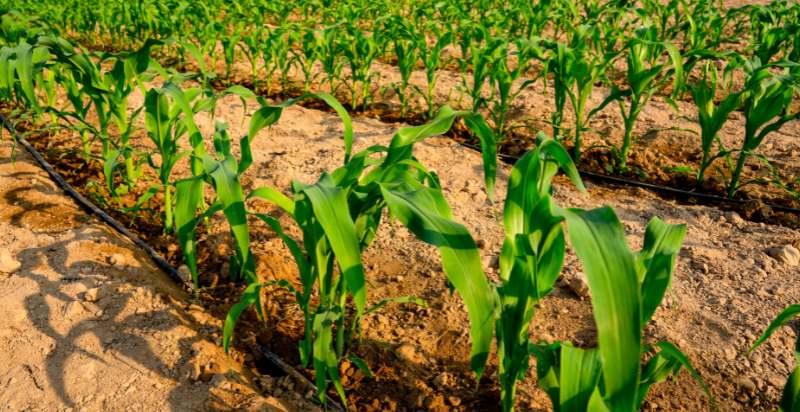
To protect your sweetcorn crop from pests and diseases, it is important to adopt some preventative measures. This includes keeping the garden weed-free (weeds can harbor pests and diseases), maintaining good soil health, and avoiding overcrowding of plants. Additionally, you should inspect your sweetcorn regularly for signs of pest damage or disease. If any is spotted, you should control it quickly before it spreads. Finally, consider using organic pesticides such as neem oil or neem-based products that are safe for vegetable gardens.
By following these tips for preventing pests and diseases on your sweetcorn plants, you can ensure a healthy harvest!
How to Harvest a Sweetcorn Crop?
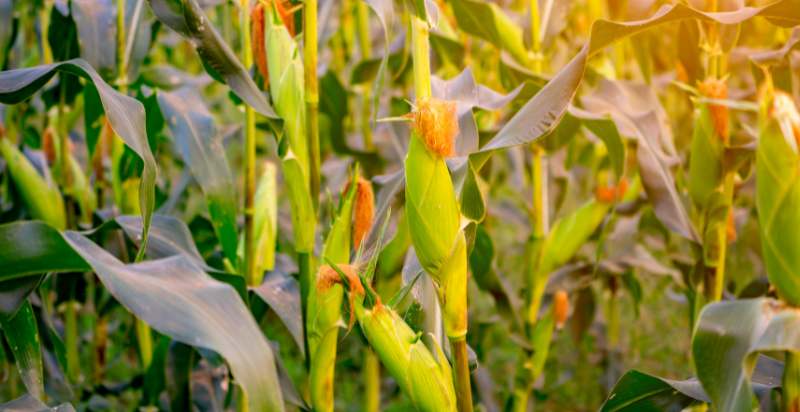
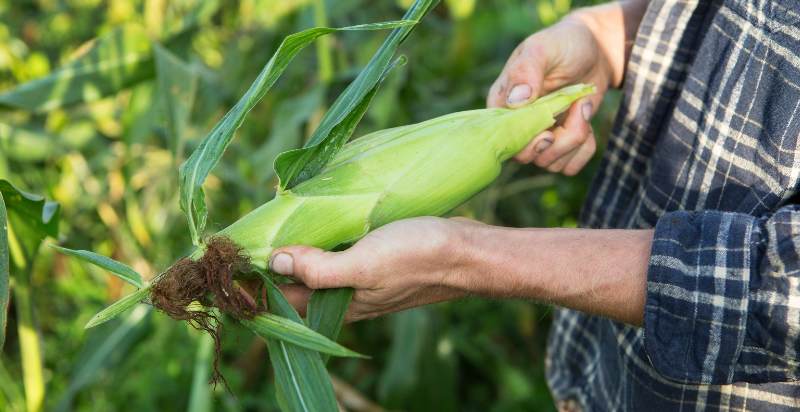
Once your sweetcorn plants reach maturity, removing them from the garden quickly is important to ensure that the kernels stay sweet and juicy. The best way to do this is to check each ear of corn for signs of ripeness – look for husks that are full and evenly colored and kernels that are plump and milky when punctured. Once you have determined that your sweetcorn is ripe, pick it up immediately, as it will lose its sweetness if left too long on the stalk.
You should also use sharp pruners or knives when harvesting your sweetcorn, as this can help prevent damage to the ears. Finally, remove any remaining silk from the husks after harvesting, as this can trap moisture and lead to spoilage.
By following these tips for harvesting your sweetcorn crop, you can ensure you get the most out of it and enjoy all the deliciousness of a home-grown sweetcorn harvest!
How to Store Sweetcorn Crops?
Once you have harvested your sweetcorn, it is important to store it properly to preserve its freshness. The best way to do this is to wrap each ear of corn separately in a damp paper towel or burlap bag and then place them in the refrigerator. Sweetcorn will keep for up to three weeks if stored in this manner.
Another option for storing sweetcorn is blanching the ears before freezing them. To do this, plunge the ears into boiling water for 3 minutes and immediately transfer them to an ice bath. Once cool, remove the husks and freeze the kernels in an airtight container. Frozen sweetcorn can be stored for several months without losing its flavor or texture.
Following these tips for storing your sweetcorn, you can ensure that it stays fresh and delicious until you are ready to enjoy it!
How to Eat Sweet Corn?
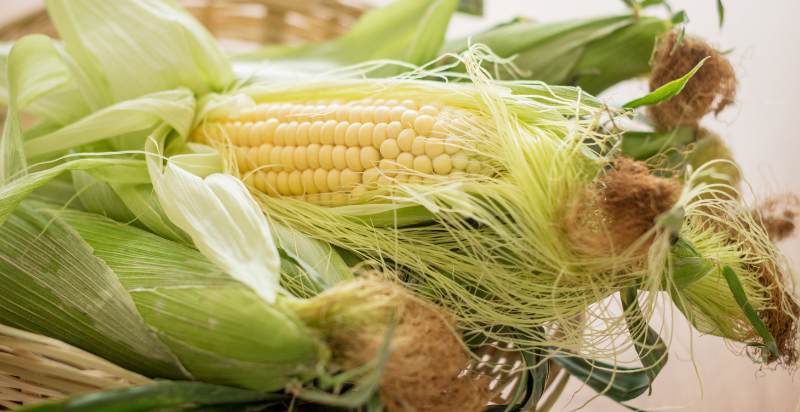
Sweetcorn is an incredibly versatile vegetable that can be enjoyed in various dishes. From salads and soups to grilled ears of corn, there are endless possibilities for enjoying this sweet and delicious crop.
One of the most popular ways to eat sweetcorn is to grill it on the barbecue – brush with butter or oil, season with salt and pepper, and cook until lightly charred. Sweetcorn can also be used as a topping for tacos or mixed into salads for added flavor and texture. Additionally, you can puree it into soups or curries, add it to quiches or frittatas, or even use it as a base for pancakes!
No matter how you enjoy sweetcorn, it will surely add a delicious and nutritious twist to any meal.
Following these sweetcorn tips, you can get the most out of this versatile and tasty vegetable!
How to Cook Sweet Corn Crops?
When cooking with sweetcorn, it is important to choose ears that are fresh and ripe. The best way to do this is by inspecting each ear for signs of ripeness – look for husks that are full and evenly colored and kernels that are plump and milky when punctured. Once you have chosen your ears of corn, there are many different ways to prepare them.
One popular method is boiling – place the ears in a pot of boiling water and cook for 3-5 minutes. You can also roast sweetcorn in the oven, either on its own or covered with butter and herbs. Additionally, you can use a microwave to steam sweetcorn quickly – wrap each ear of corn in damp paper towels and cook for 5-7 minutes.
Finally, you can always enjoy raw sweetcorn – just cut off the kernels from the cob and add them to salads or dips.
By following these tips for cooking sweetcorn, you can ensure that each bite is full of flavor!
Overall, by following these tips for growing, harvesting, storing, eating, and cooking your sweetcorn crop, you will be able to get the most out of this delicious vegetable. Enjoy!

Potential Risks from Sweetcorn Crop:
Though sweetcorn is generally safe to eat, some potential risks are associated with its consumption. These risks include allergies, food poisoning, and exposure to toxins such as mycotoxins and pesticides.
People allergic to corn or other grains may experience an allergic reaction when consuming sweetcorn, so it is important to check for any known allergens before eating. Additionally, if the crop has not been properly stored or cooked, it may risk food poisoning due to bacteria growth. Finally, sweetcorn crops can be contaminated with toxins such as mycotoxins or pesticides – particularly if grown using non-organic methods. It is, therefore, important to ensure that you are buying sweetcorn from a reliable source.
By following safe storage and cooking practices, checking for potential allergens and toxins, and purchasing sweetcorn from a reputable source, you can reduce the risk of any potential harm associated with its consumption. Enjoy your sweetcorn crop!
Conclusion:
Sweetcorn is a fun and rewarding crop to grow in the garden, but it requires proper knowledge and care to produce high yields. To ensure success, make sure to choose the right variety for your area, prepare the soil properly before planting, keep weeds under control, use an organic fertilizer with nitrogen-rich nutrients, monitor for pests, check for diseases regularly, take steps to prevent pest and disease damage, and harvest quickly when mature. With a little care and knowledge, you can produce a delicious and bountiful sweetcorn harvest each season!
By following these tips for growing sweetcorn, you’ll be able to enjoy home-grown sweetcorn’s deliciousness easily. Enjoy!
Discover the vibrant world of purple corn! Dive into our article and unravel the fascinating benefits and uses waiting to be explored.

- Apricot Blossoms: Description, Flavor, Benefits, And Uses - April 23, 2024
- Everything you wanted to know about Green Tiger Tomatoes. - April 1, 2024
- Everything you wanted to know about Atomic Grape Tomatoes . - April 1, 2024
7 thoughts on “How to Plant, Grow, and Harvest Sweet Corn (Maize)”
Comments are closed.