
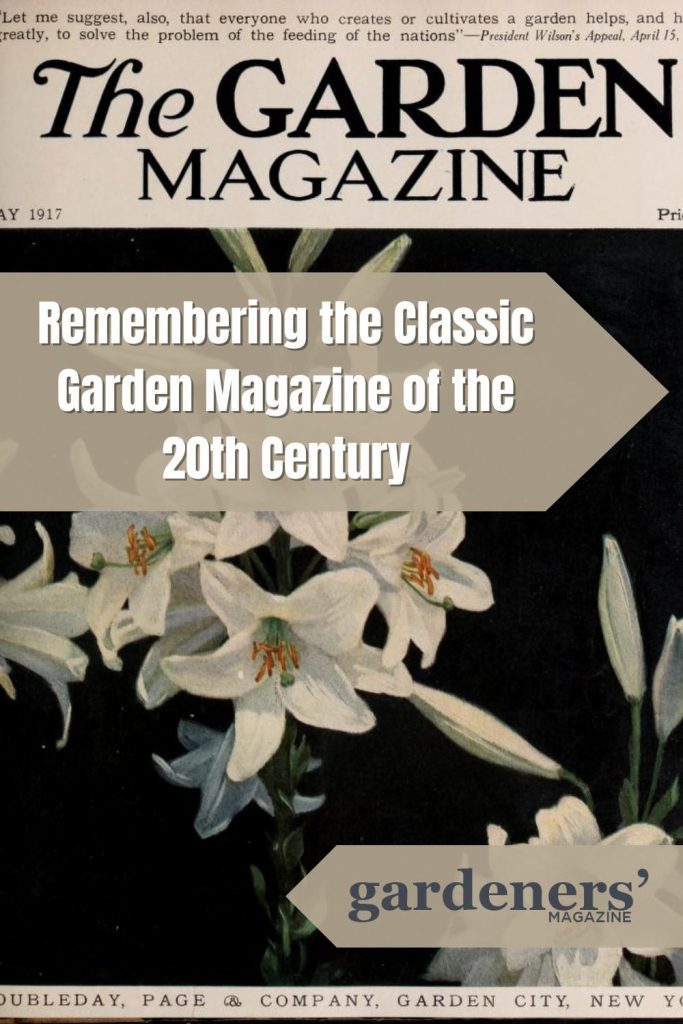
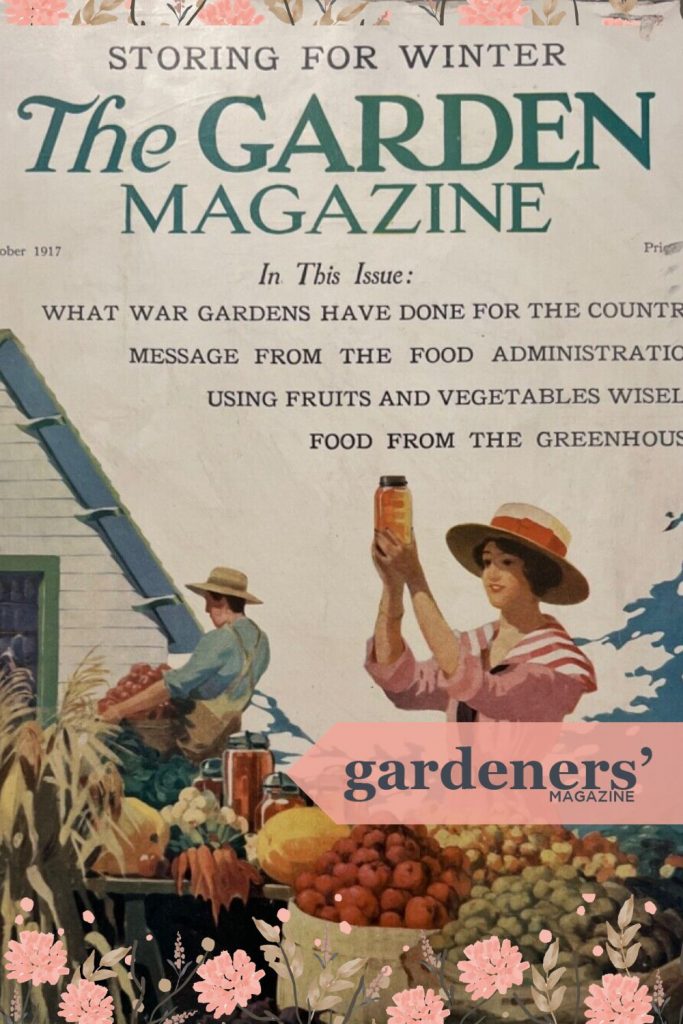
The Garden Magazine, published in the early 20th century and later renamed Garden Magazine and Home Builder, primarily featured articles on planting, managing home gardens, and cultivating fruits and vegetables. This monthly publication contains a wealth of information on practical gardening that present-day gardeners can find enriching. And that’s why you should read this post, where you can look back at some prominent articles published in The Garden Magazine. You will find some ground on the best practices followed then, the concept of War Gardening, and many more.
1. The Rockery Idea in Edgings
(THE GARDEN MAGAZINE – May 1917, page 229)
This fascinating article by Alice Rathbone showcases the cultivation of rock and alpine plants in your home garden and how they can yield substantial rewards with minimal efforts. Whether you are a beginner or an experienced gardener, this article offers valuable insights on creating a naturally green space in your backyard. Moreover, it outlines how you can successfully cultivate these remarkable plants, which thrive even in the harshest conditions within your backyard’s confines. The writer offers guidance on growing and caring for these plants. By delving into this article, you will gain a wealth of knowledge on creating a flourishing garden space brimming with vibrant life. The writer also explores various plant species and provides expert advice on planting and nurturing them.
2. Victor Lemoine Plant Hybridist
(THE GARDEN Magazine, May 1917, page 234)
This article appreciates the greatest horticulturist of all time, Victor Lemoine (1823-1911), who has immensely contributed to producing many hybrid varieties of plants through his magical plant hybridizing techniques. He is the genius behind the lilac hybrids, producing over 200 varieties. Besides, he gifted countless other beautiful varieties of plants to the world.
3. Home Vegetable Gardens A Patriotic Duty
(THE GARDEN MAGAZINE – May 1917, page 231)
Home Vegetable Gardens: A Patriotic Duty is an article written by Anna M. Burke that explores various methods to maximize limited space through cost-effective labor methods. The author also specifically highlights the cultivation of corn, beans, cabbage, potatoes, peas, and other types of vegetables. Valuable tips on creating a productive garden can be found in this informative piece.
4. The President to the People
(THE GARDEN MAGAZINE – May 1917, page 220)
The ‘President to the People’ article is a compilation of excerpts from former President Woodrow Wilson’s addresses to the American public, urging them to engage in agriculture. These messages emphasized the significance of maintaining an ample food supply during times of war and called for cooperation between farmers and civilians to ensure an abundant food supply. By reading these excerpts, present-day gardeners can gain inspiration from the words of the former President.
5. How the Modern Lilac Came to Be
(THE GARDEN MAGAZINE –May 1917, pages 232-233)
‘How the Modern Lilac Came to Be’ is an article authored by Theo. A. Havemeyer that narrates the captivating tale of Mr. Lemoine’s groundbreaking work, as the horticulturist himself recounts. The article explores Mr. Lemoine’s fascination with the lilac plant upon his initial encounter and provides a detailed account of the development of the modern lilac, dating back to 1843. Moreover, it explores how the idea to create a hybrid variety of lilacs emerged in Mr. Lemoine’s mind and delves into the challenges he encountered because of his poor eyesight, along with other intriguing incidents.
Conclusion
The Garden Magazine is a great resource with numerous articles on utilizing limited space to grow abundant food for your household. Moreover, this is also your chance to learn about the gardening practices followed in the 20th century for seed saving and selecting the appropriate crops for each season. These articles will be a worthy read, and if you are interested in running through other articles published in the classic magazine, you can access the original version of The Garden Magazine here.

- Lulo: Description, Flavor, Benefits, And Uses - March 19, 2024
- Banana Leaves: Benefits, Uses, Growing Tips & Cultural Information - March 11, 2024
- How to Grow Strawberries Successfully in Containers - March 8, 2024
1 thought on “The Garden Magazine: Remembering the 20th Century’s Classic Garden Magazine”
Comments are closed.