
Tulips are a type of flower that many people enjoy having in their gardens, and they come in a wide range of colors and are rather simple to maintain. Tulip planting is not difficult, but there are a few things you need to know to make sure that your tulips grow well and look lovely.
This manual will teach you everything you need to know about planting and caring for tulips.
What Is A Tulip?
A tulip is a flower of the Tulipa, native to Eurasia and North Africa. The genus’s native range extends from southern Europe to northern Africa, east into Iran, and south to Indonesia. Several species, many hybrids, and cultivars are grown in gardens or as potted plants.
Tulips are perennial plants with spring blooms that emerge from bulbs. Tulip plants can grow between 4 inches (10.1 cm) and 28 inches (71 cm) tall, depending on the species. Although all varieties of tulips produce flowers with six petals, the shape and appearance of the petals vary. All tulips produce flowers with six petals, but the shape and appearance of the petals vary by variety.
They were originally found in a wild state in Turkey, Syria, Persia, and other countries bordering the eastern Mediterranean Sea. They became known in Europe in the 16th century when ambassadors and traders brought them back from Turkey. The tulip is now widely cultivated and available in many colors and color combinations.
These are iconic flowers that express many emotions, from love and appreciation to perfect happiness. The tulip’s linear petals unfurl like flames, which might be why this springtime blossom is also associated with passionate love. At the same time, its symmetry and lack of fragrance make it a popular choice for expressing perfect happiness or “being content in one’s own company.” No matter what sentiment you want to communicate, a colorful bouquet of tulips is always a welcome gift.
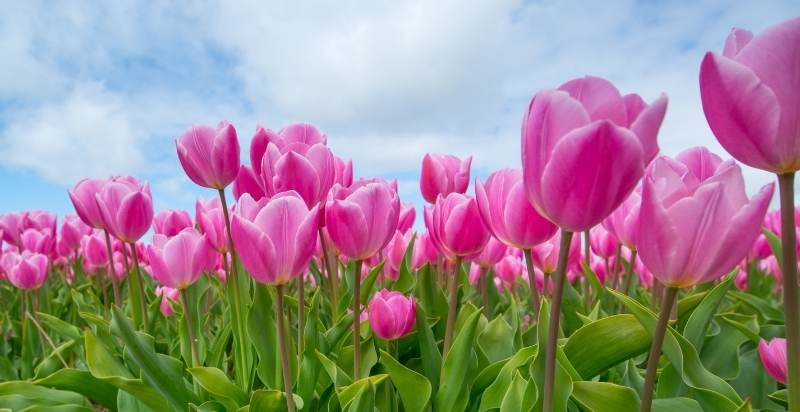
Tulips Classification:
The tulip is a member of the Liliaceae family, which includes over 4,000 flowering plants in over 200 genera, including lilies, asparagus, and aloe. The family is further subdivided into 26 tribes, one of which is Tulipeae, and this tribe includes all the tulip species.
There are about 75 different species of tulips. However, most of the tulips cultivated today are hybrids that have been bred for specific traits, such as color or shape.
Tulip plants can be either annuals or perennials. Annual tulips must be replanted each year because they do not produce bulbs. Perennial tulips, on the other hand, do produce bulbs that will regrow year after year. Most tulips sold commercially are perennials.
Life Cycle of Tulips:
Tulips reproduce by seeds, but most commercial growers propagate them by dividing the bulbs. It takes three to five years for tulip plants to grow from seed to produce flowers.
When propagating by the bulb, growers divide the bulb into smaller pieces, each of which will grow into a new plant. The number of pieces depends on the size of the original bulb, but typically a large bulb can be divided into four to six smaller bulbs. These small bulbs are then planted in the fall to develop roots before winter sets in.
It typically bloom in the spring, but some varieties bloom in the fall. The length of time a tulip flower lasts depends on the variety and growing conditions, but most flowers only last about seven to 10 days.
After the blooming period, the plant dies back and goes dormant for the summer. During this time, the plant’s bulbs store energy so they can grow and bloom the following year again.
When To Plant Tulips?
The best time to plant tulips is in the fall, specifically 6-8 weeks before the first frost is expected in your area. This may seem counterintuitive since tulips are often thought of as spring flowers, but planting them in the fall gives them time to establish their root system before winter sets in. Come spring, they will be ready to bloom.
When planting tulips in the fall, choose a location with full sun and well-drained soil. It also need a period of chilling to bloom, so if you live in an area with warmer winters, you may need to store your bulbs in the refrigerator for 6-8 weeks before planting them.
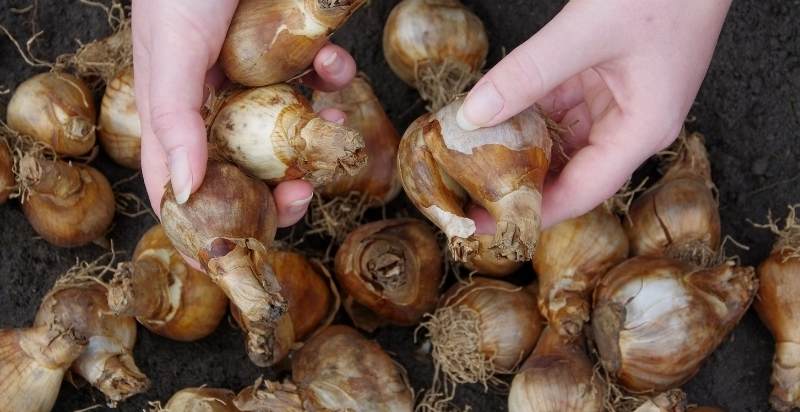
Where to Plant Tulips?
When choosing where to plant your tulips, there are a few things to consider. Here are a few tips to help you choose the perfect spot for your tulips.
- Choose a sunny spot: It need at least 6 hours sunlight each day to thrive. Grow lights might help you provide your tulips with the additional light required if you reside in a region with shorter winter days.
- Avoid wet spots: It don’t like their roots constantly wet. If you have an area of your yard that tends to stay soggy after rain, there are better spots for planting tulips.
- Give them room to grow: When planting tulips, give them enough space. Each bulb should be planted about 6 inches apart, giving them room to spread their roots and grow.
- Choose a well-drained spot: It need a spot that drains well. If you have an area of your yard prone to flooding, there are better choices for planting tulips.
Now that you know where to plant your tulips, it’s time to start! With some planning and care, you can have a beautiful display of tulips in your garden for years to come.
How to Plant Tulips?
Here are the steps that you have to follow to plant tulips:
Step 1: Choose the Right Location
Choose a location in your garden that receives at least six hours of sunlight each day since tulips need full sunlight to bloom. Don’t plant your tulips in shaded regions since they won’t bloom either.
Also favoring well-drained soil is the tulip. Consider planting your tulips in a raised bed or on a slope if your garden’s soil is predominantly clay; doing so will assist prevent the rot of your tulips’ roots.
Step 2: Prepare the Soil
Once you have chosen the perfect location for your tulips, it’s time to prepare the soil. Begin by loosening the top layer of soil with a spade or tiller. This will help the roots of your tulips to spread more quickly.
Next, add a layer of compost to the soil, providing nutrients for your tulips as they grow. Finally, mix in a handful of bone meal or superphosphate, which will help your tulips bloom more abundantly.
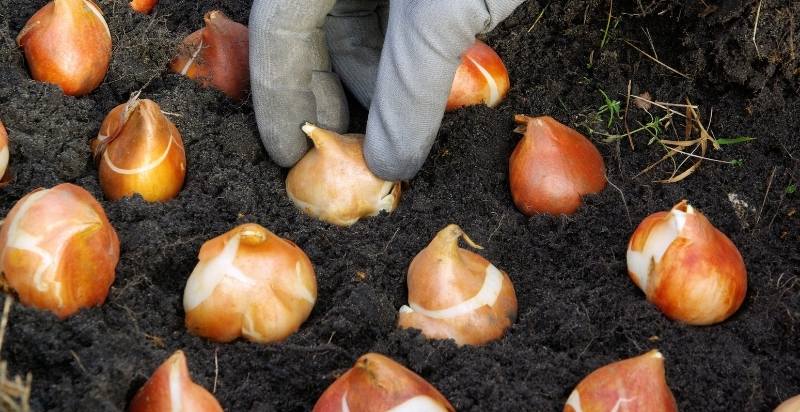
Step 3: Plant the Tulip Bulbs
About six weeks before the first frost, tulip bulbs should be planted in the fall, giving them time to establish themselves before winter sets in.
When planting, choose a bulb that is large and firm. Avoid any bulbs that are soft or have been damaged by pests. Plant the bulbs three to four inches deep and six to eight inches apart.
Step 4: Water the Tulips
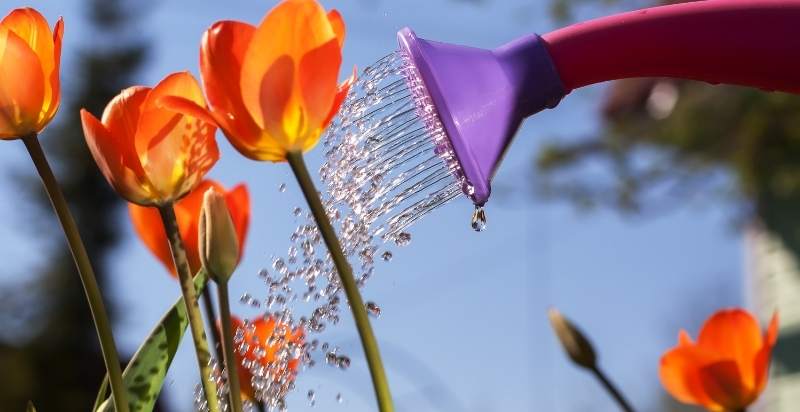
After planting, water the tulip bulbs well, which will help them establish themselves in the soil. Once they have grown, water your tulips about once a week or as needed to keep the soil moist.
Too much water can be just as damaging as too little, so be sure not to overwater your tulips. If the leaves of your tulips start to turn yellow, this is a sign that they are getting too much water.
Step 5: Fertilize the Tulips
Tulips need very little fertilizer, but you can boost them by applying a small amount of compost around the base of the plant in the spring, and this will provide nutrients for your tulips as they bloom.
A balanced fertilizer, such as 10-10-10, can also be applied around the plant’s base in accordance with the instructions on the container. Be careful not to over-fertilize your tulips, damaging the roots and leaves.
Step 6: Deadhead the Tulips
As your tulips bloom, you need to deadhead them to encourage more blooms. Deadheading is simply removing the spent blooms from the plant. To do this, cut the stem below the bloom with a sharp knife or pruning shears.
A cut into a leaf or stem below a flower should be avoided since this could harm the plant. Deadheading will not only encourage more blooms but will also keep your tulips looking neat.
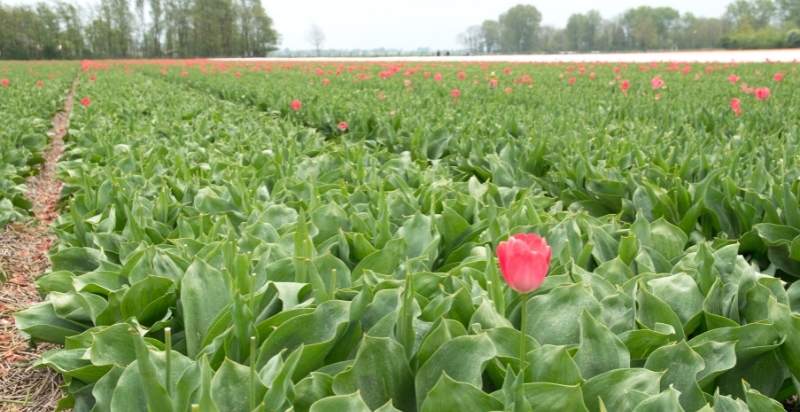
Step 7: Store the Tulip Bulbs
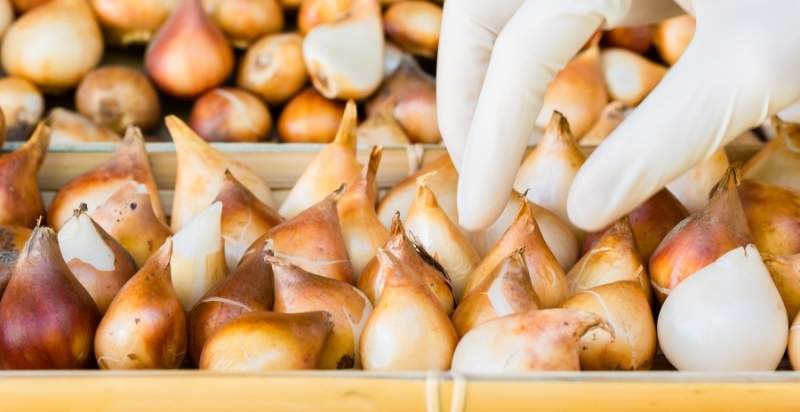
Your tulips’ leaves will turn yellow and die back once they have stopped flowering. At this point, you can dig up the bulbs and store them for planting in the fall.
To store the bulbs:
- Brush off any dirt and allow them to dry in a cool, dark place for about a week.
- Please put them in a box or bag made of paper and peat moss or vermiculite when they have dried.
- Store the bulbs in a cool, dark place until it is time to plant them in the fall.
With a little care, your tulips will thrive and bloom yearly. By following these simple steps, you can enjoy beautiful garden tulips for many years.
Caring For Tulips:
Once your tulips have been planted, they will need regular care to thrive. Water them regularly, and fertilize them every few weeks with a balanced fertilizer. When the blooms start to fade, deadhead them; once the foliage has naturally died back, trim it back. Doing this will encourage your tulips to bloom the following year again.
With a little care, your tulips will provide you with beautiful blooms for many years. Enjoy them in your garden, or cut some to enjoy indoors. Whatever you do with them, be sure to follow these simple tips, and you’ll have success.
Uses Of Tulips:
Tulips are grown for their beautiful flowers, popular in bouquets and as cut flowers. Tulip bulbs are also sometimes used in cooking, particularly Middle Eastern cuisine. For example, they may be candied or used to flavor syrup.
These are also grown as ornamental plants. Many species and hybrids are available that have been bred for specific traits, such as color or shape. These tulips are typically planted in gardens or kept as potted plants.
If you are looking for a beautiful, easy-to-care-for flower, then tulips may be a perfect choice!

Conclusion:
Tulips are one of the most popular flowers in the world. They are cherished for their beauty, and they have been cultivated for centuries. Today, tulips can be found in gardens all over the world.
If you want to grow tulips in your garden, it is important to follow these simple steps. By doing so, you will be sure to have success. With a little care, your tulips will thrive and provide you with beautiful blooms for many years.

- Apricot Blossoms: Description, Flavor, Benefits, And Uses - April 23, 2024
- Everything you wanted to know about Green Tiger Tomatoes. - April 1, 2024
- Everything you wanted to know about Atomic Grape Tomatoes . - April 1, 2024
1 thought on “Guide To Planting Tulips: How To Plant, Grow And Care For Tulips”